
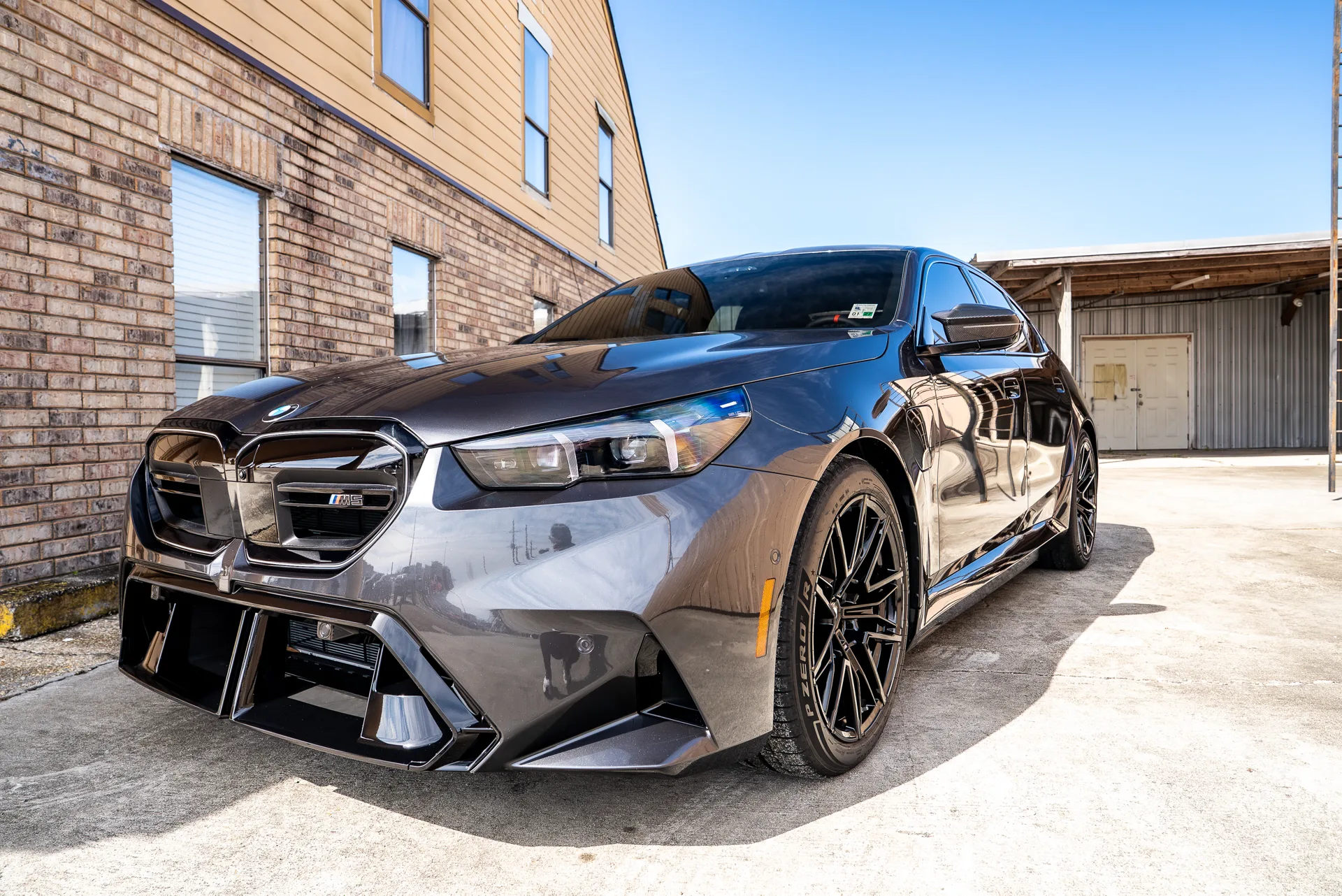
Paint Correction
Restore factory-perfect clarity. Our multi-stage machine polishing process removes swirl marks, scratches, and oxidation — revealing the depth and gloss your paint was designed to have.
Precision Defect Removal, Not a Quick Polish
Every time your vehicle is washed, driven, or parked outdoors, microscopic damage accumulates on the clear coat. Swirl marks from improper washing, light scratches from road debris, water spots, and UV-driven oxidation all dull the finish over time. Paint correction reverses that damage permanently.
Using calibrated dual-action machine polishers and a sequence of cutting and finishing compounds, we level the clear coat surface until every defect is gone. The result is measurably deeper gloss, sharper reflections, and paint that looks better than the day it left the factory.
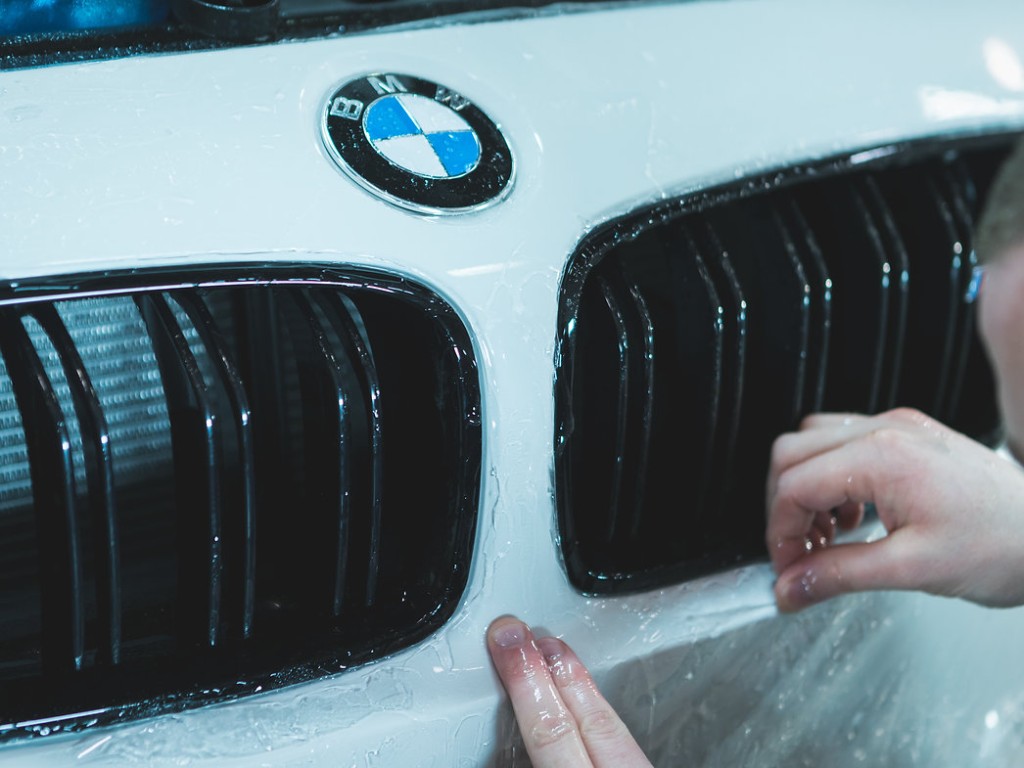
Paint correction is also the critical first step before applying ceramic coatings or paint protection film. Both products seal whatever is on the surface — so starting with a corrected finish means your investment is protected by a flawless foundation.
Get a QuoteFive Stages to a Flawless Finish
Every correction we perform at our Gonzales, LA facility follows a controlled, repeatable process under professional lighting. No shortcuts, no guesswork.
Assessment
We inspect every panel under high-intensity LED lighting and measure paint thickness with a digital gauge. This tells us exactly how much clear coat is available and which defects are correctable.
Wash & Decontamination
A thorough hand wash is followed by chemical and mechanical decontamination — iron fallout removers, clay bar treatment, and tar removal — so the surface is completely clean before any machine touches the paint.
Compounding
Using a cutting compound and a controlled-speed dual-action polisher, we remove the deeper defects: heavy swirl marks, scratches, and oxidation. Each panel is worked individually and re-inspected before moving on.
Polishing
A finer finishing polish refines the surface to a mirror-like clarity, eliminating any haze left by the compounding stage. This is where the depth and gloss truly emerge.
Final Inspection
Every panel is re-examined under multiple light angles to confirm full defect removal. Paint thickness is re-measured to verify safe material removal. Only then is the vehicle cleared for coating, film, or delivery.
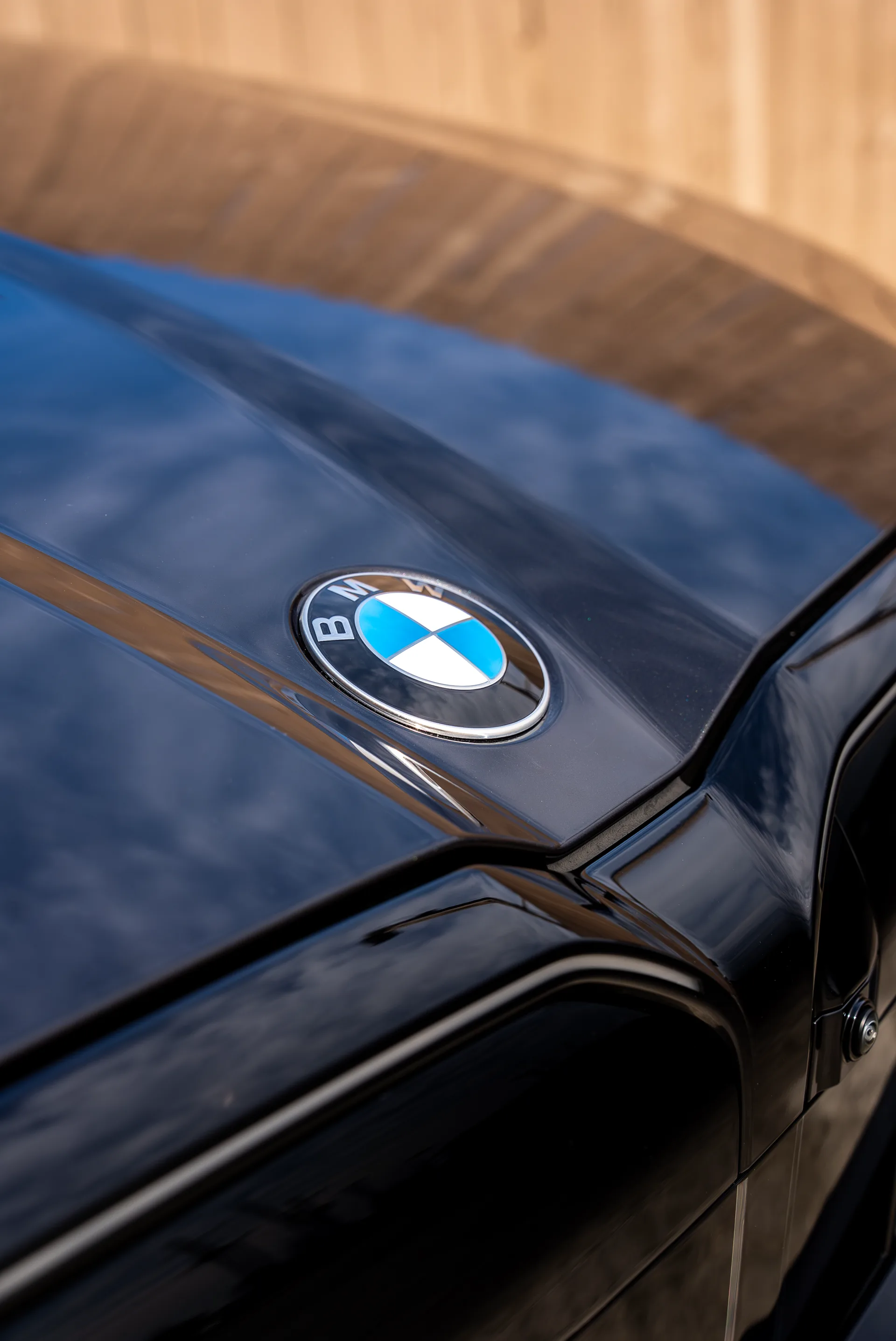
See the Difference
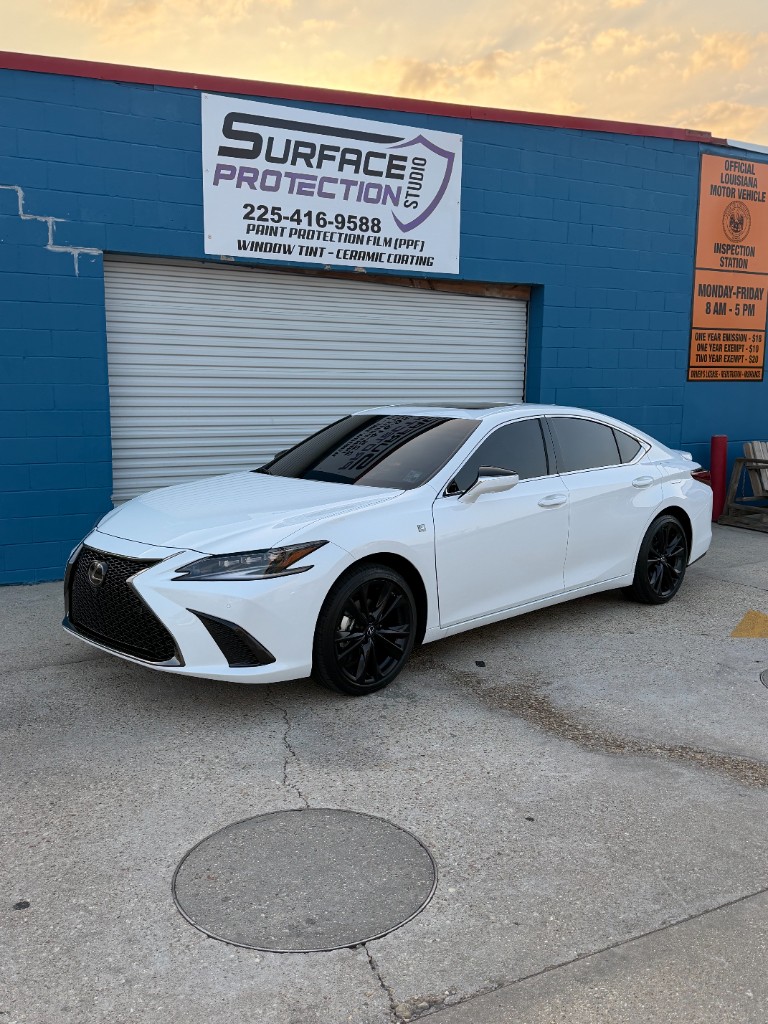
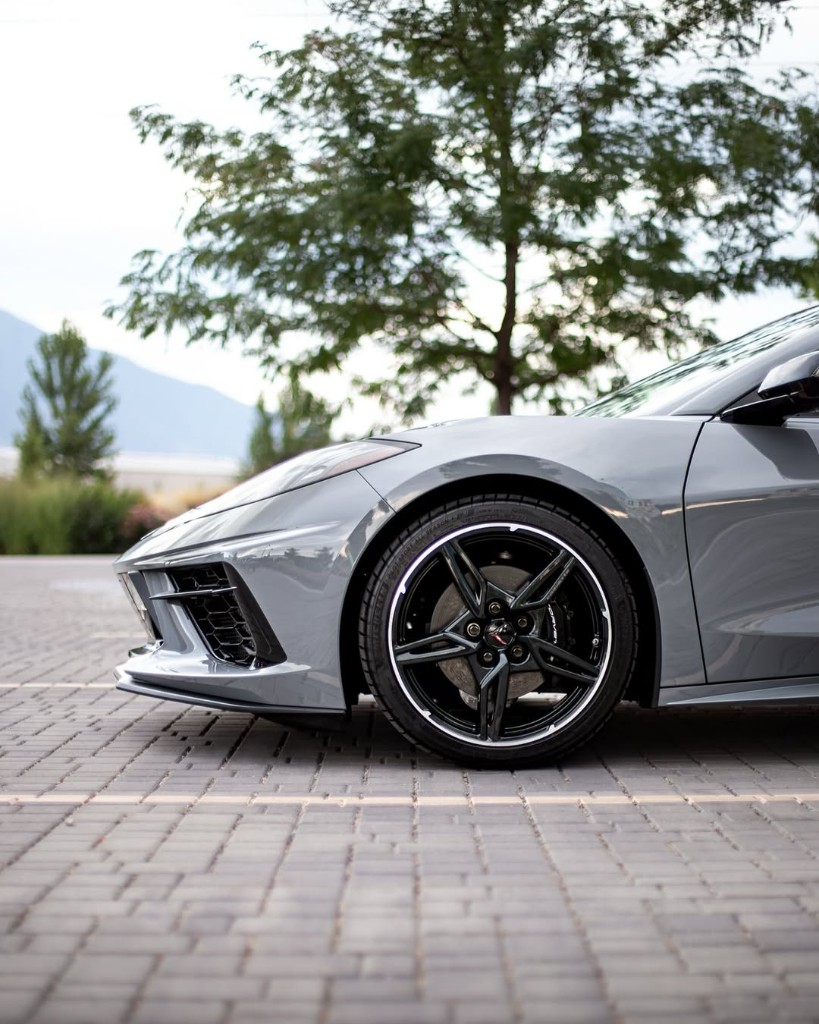
The Foundation Every Coating and Film Needs
A ceramic coating amplifies whatever is on the surface. Swirls, haze, and micro-scratches don't disappear under a coating — they get locked in. The same applies to paint protection film: imperfections under PPF remain visible and can't be corrected once the film is applied.
That's why we treat paint correction as a non-negotiable step before any protective application. When the surface underneath is flawless, the coating bonds deeper, the film lays flatter, and the visual result is dramatically better.
Beyond protection prep, correction restores the depth, color saturation, and wet-look gloss that years of washing and exposure have stolen. For many owners in the Gonzales and Baton Rouge area, a single correction appointment transforms the way their vehicle looks.
Frequently Asked Questions
Have a question we didn't cover? Call us at (225) 416-9588 or fill out our contact form.
What is paint correction, and how is it different from a regular polish?
Paint correction is a multi-stage machine process that permanently removes defects like swirl marks, scratches, and oxidation from your clear coat. A standard polish masks imperfections temporarily with fillers. Correction actually levels the surface so the defects are gone — not hidden.
How long does paint correction take?
A single-stage correction on a sedan typically takes 4–6 hours. Multi-stage correction on larger or heavily damaged vehicles can take a full day or more. We never rush the process — every panel is measured, corrected, and inspected individually in our controlled facility.
Will paint correction damage my clear coat?
Not when performed correctly. We measure your paint thickness before and during the process with a digital gauge so we never remove more material than necessary. Our technicians use calibrated dual-action polishers that deliver precise, controlled correction without burning through the clear coat.
Do I need paint correction before ceramic coating or PPF?
In most cases, yes. Ceramic coatings and paint protection film lock in whatever is on the surface — including swirls and scratches. Correcting the paint first ensures the coating or film bonds to a flawless finish, giving you the best possible result and longevity.
How often should paint correction be done?
Paint correction isn't a recurring maintenance item — it's a restorative procedure. Once corrected, pairing your paint with a ceramic coating or PPF keeps it protected for years. Most vehicles only need correction once, especially if properly maintained afterward.
Can paint correction fix deep scratches?
Correction removes defects that sit within the clear coat layer. If a scratch has penetrated into the base coat or primer, it's beyond what machine polishing can address. During our initial assessment, we'll identify which defects are correctable and set clear expectations before we begin.
Ready to Restore Your Finish?
Tell us about your vehicle and we'll put together a correction plan tailored to its condition. Every quote starts with a free assessment at our Gonzales, LA studio.
Call (225) 416-9588