
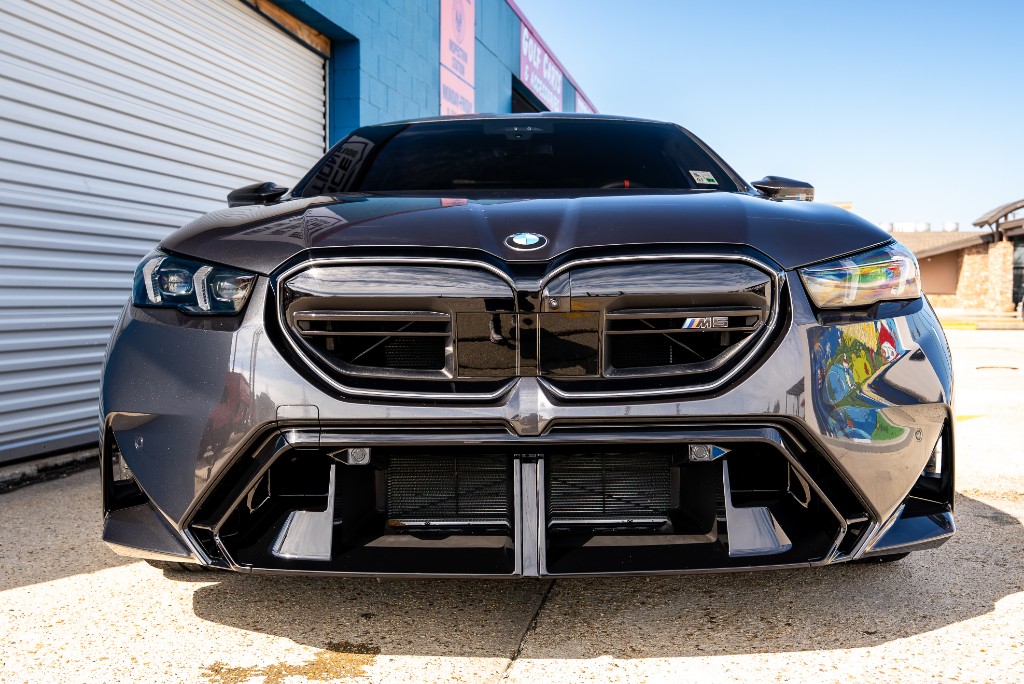
Two of the most popular aftermarket films in the automotive world are paint protection film (PPF) and vinyl wrap. They may look similar on the shelf, and both get applied to your vehicle’s exterior, but that’s where the similarities end. One is engineered to guard your paint against physical damage. The other exists to transform your vehicle’s appearance. Understanding which one does what—and when each makes sense—helps you invest your money where it actually matters.
What Is a Vinyl Wrap?
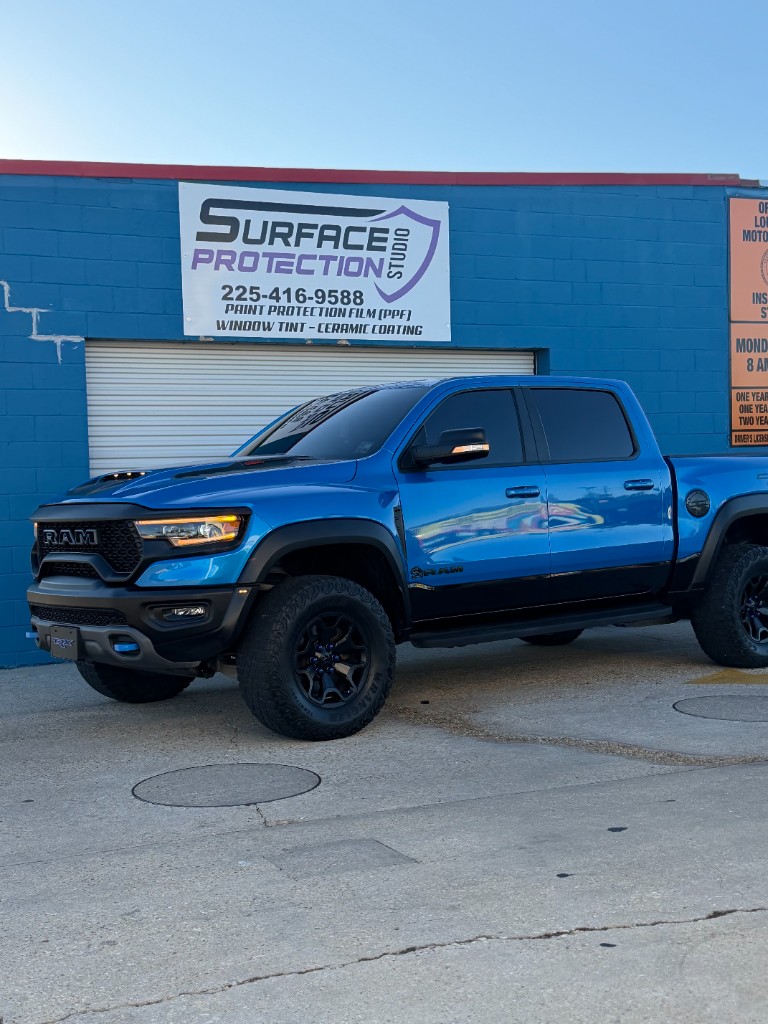
A vinyl wrap is a thin PVC-based adhesive film designed to change how your vehicle looks. It comes in hundreds of colors and finishes, including gloss, matte, satin, chrome, metallic, carbon fiber, and custom-printed graphics. At roughly 2 mil thick, vinyl is a fraction of the thickness of paint protection film.
Vinyl is primarily a cosmetic product. Businesses use it for fleet branding and mobile advertising. Car enthusiasts use it to switch colors without committing to a full repaint. You can wrap the entire vehicle or target specific panels like the roof, mirrors, or hood. When you want a change, a professional can remove the film and reveal the original paint underneath.
The trade-off is durability. Vinyl was not built to absorb impact or resist scratches. It provides a thin cosmetic layer over your paint, but road debris, gravel, and environmental contaminants can still cause damage through the film.
What Is Paint Protection Film (PPF)?
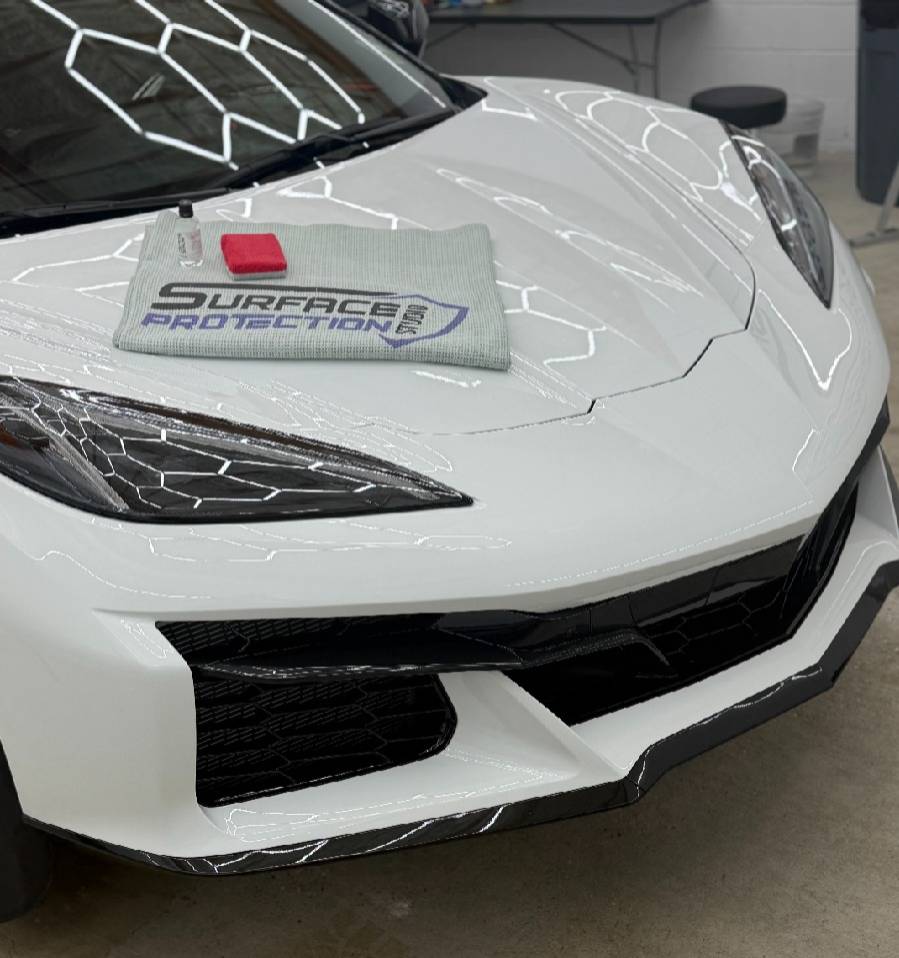
Paint protection film is a thick, optically clear polyurethane film applied directly over your vehicle’s paint. At roughly 8 mil thick, PPF is about four times the thickness of a vinyl wrap. Brands like LLumar engineer their films specifically to absorb impacts from rock chips, road salt, bug splatter, bird droppings, and minor abrasions.
The standout feature of quality PPF is its self-healing top coat. Light scratches and swirl marks disappear on their own when the film is exposed to heat—whether from the Louisiana sun, warm water, or a heat gun. This keeps the surface looking fresh for years without polishing or buffing.
While most installations use clear film to preserve the factory color, finish-altering options are now available. Matte, satin, and even color-change PPF allow you to adjust your vehicle’s look while keeping full protection underneath.
Aesthetics: Where Vinyl Has the Edge
When it comes to pure visual customization, vinyl wrap offers far more creative range. The sheer number of colors, textures, and printable designs makes vinyl the go-to choice for anyone who wants a dramatic transformation. Race liveries, commercial branding, and full color changes are all vinyl territory.
PPF has narrowed the gap in recent years with matte, satin, and tinted film options, but it still cannot match vinyl’s variety. If your primary goal is changing your vehicle’s appearance, vinyl gives you the broadest palette to work with.
Protection: Where PPF Wins
Protection is the entire reason PPF exists, and it outperforms vinyl by a wide margin in this category. The thick urethane construction absorbs stone strikes, resists scratching, and blocks UV damage that causes paint to fade over time. The self-healing layer handles minor surface blemishes automatically. Vinyl provides basic UV resistance and a cosmetic barrier, but it cannot stop rock chips or prevent real physical damage to your paint.
Durability and Longevity
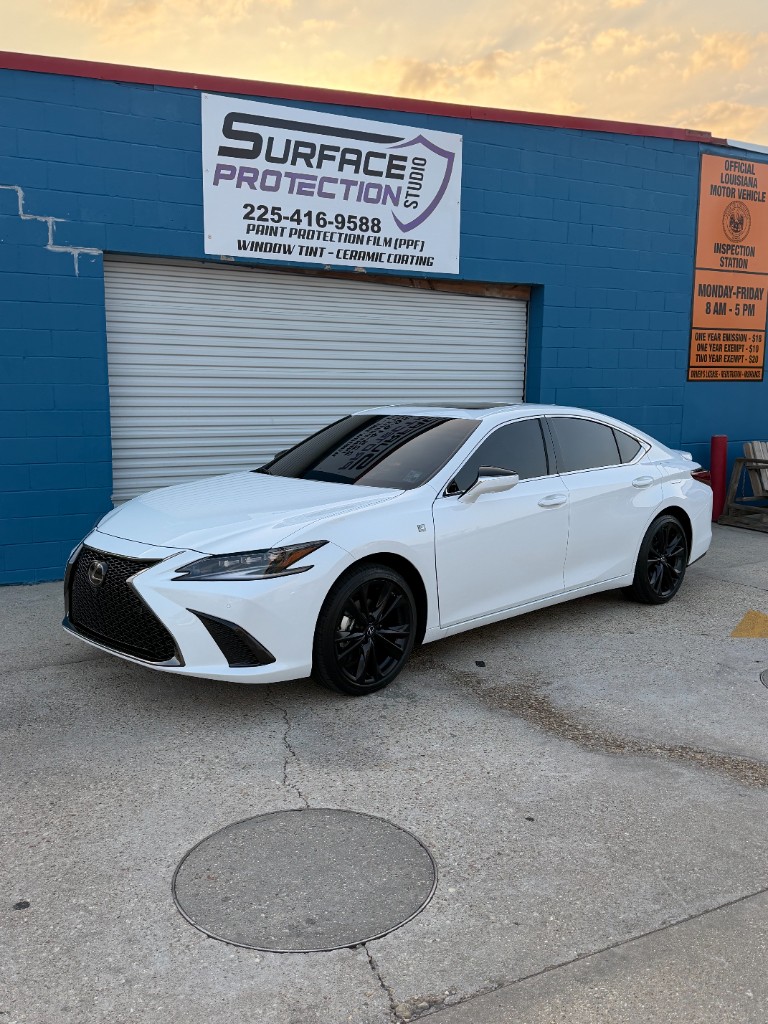
A professionally installed PPF will last five to ten years with proper care. High-quality films from brands like LLumar resist yellowing, cracking, and edge lifting throughout their lifespan, even under harsh conditions.
Vinyl wraps typically hold up for three to five years under normal conditions. In hot, humid climates like Gonzales, Louisiana, the combination of intense sun exposure and moisture can accelerate fading, shrinking, and peeling. Daily drivers may notice wear even sooner.
Cost, Combining Both, and Choosing the Right Option
| Benefits | Vinyl Wrap | PPF |
|---|---|---|
| Color Changing | Yes | Yes |
| Design/Branding | Yes | No |
| Cost | Lower Upfront | Higher Initial Cost |
| Thickness | 2mil | 8mil |
| Life Span | 3–5 Years | 5–10 Years |
| Self Healing | No | Yes |
| Hydrophobic | No | Yes |
| Paint Protection | No | Yes |
Vinyl wrap typically costs less up front, while PPF runs higher due to the thicker urethane material and the level of protection it provides. Over time, PPF often proves more cost-effective because it lasts longer and prevents the kind of paint damage that leads to expensive bodywork.
The good news is that PPF and vinyl are not mutually exclusive. Many vehicle owners install PPF on high-impact areas like the front bumper, hood, fenders, and mirrors, then apply a vinyl wrap over other panels for a custom look. Layering both gives you protection where it counts and style everywhere else.
If preserving your paint and resale value is the priority, PPF is the clear investment. If a bold new color or finish is what you are after and you plan to refresh it every few years, vinyl delivers on that front. And if you want the best of both worlds, a combination install covers protection and personality on the same vehicle. Surface Protection Studio in Gonzales, LA can help you figure out the right approach for your car and your goals. Give us a call at (225) 416-9588 or request a quote to get started.