
You’ve seen the YouTube videos. Someone peels a sheet of clear film off a backing, sprays down their hood, squeegees out the water, and ends up with a factory-fresh finish. It looks simple enough, so naturally you’re wondering whether you can skip the shop and apply Paint Protection Film (PPF) yourself.
We get it. At Surface Protection Studio in Gonzales, LA, we talk to people every week who are weighing the same decision. Here’s our honest take—no sales pitch, just what we’ve learned from hundreds of installs.
What DIY PPF Kits Actually Include
Most DIY PPF kits sold online include pre-cut film panels for common areas like the hood, fenders, mirrors, and door edges. You typically get a squeegee, a small spray bottle, maybe a trim blade, and printed instructions or a link to a tutorial video. Higher-end kits from brands like LLumar use the same film that professionals install. The material itself isn’t the problem.
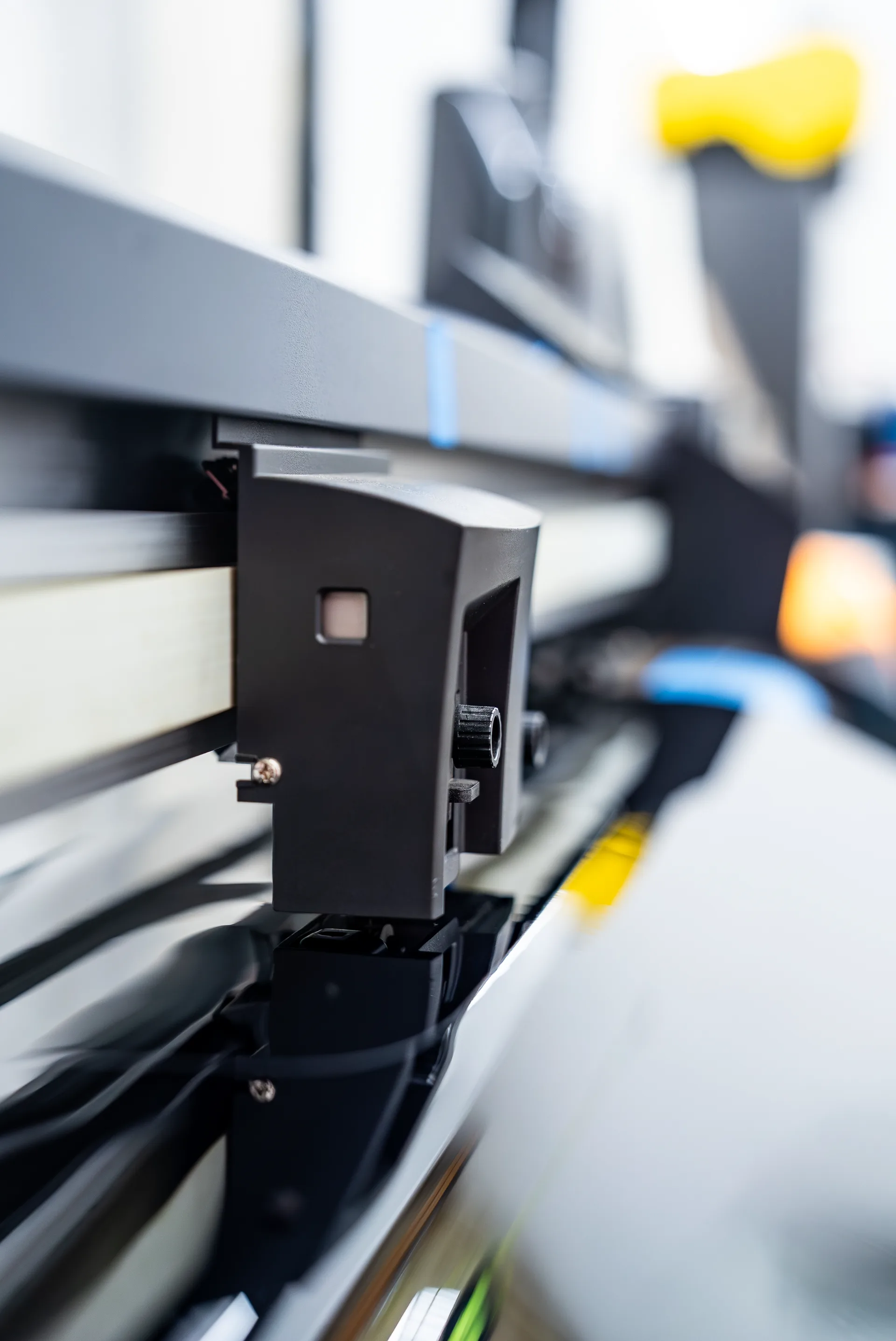
What’s missing from every kit is the environment, the tooling, and the muscle memory. You won’t find a filtered air system, professional-grade heat guns, infrared lamps for curing, or the specialized slip and tack solutions that let you reposition film during installation. Professionals also use plotter software to custom-cut patterns for your exact make and model—no guesswork, no trimming by hand. That precision simply isn’t available in a consumer kit.
Learn more about our PPF services in Gonzales, LA
The Skills Gap Most People Underestimate
Applying PPF to a flat phone screen is genuinely easy. Applying it to the compound curves of a car bumper is a completely different skill. Here’s what the tutorials usually gloss over.
Surface prep is everything. A single speck of dust trapped under the film creates a permanent blemish. Professionals clay bar, polish, and do a full decontamination wash in a controlled environment before film ever touches paint. In a home garage—especially during a Louisiana summer—keeping a surface truly clean is a constant battle against humidity, pollen, and airborne grit.
Stretching film around curves takes practice. PPF needs to be heated and stretched to conform to bumpers, fender flares, and mirror caps. Too much heat and the film distorts or hazes. Too little and it won’t lay flat around the edge. The result is lifted corners that start peeling within days.
The most common DIY mistakes we see at our Gonzales shop are lifted edges along door handles, silvering from overstretched film, trapped dust particles across hoods, and visible seams where panels overlap. These aren’t just cosmetic—they compromise the film’s ability to protect your paint and usually mean the panel has to be completely redone.
Have questions? Schedule a free PPF consultation in Gonzales, LA.
When DIY Makes Sense (and When It Doesn’t)
We’ll be straight with you—PPF isn’t always a professional-only job. If you’re covering flat, simple surfaces like a phone screen, a laptop lid, or the flat portion of a door sill, a DIY kit is perfectly fine. Small, low-stakes panels where a mistake costs a few dollars and ten minutes are reasonable DIY territory.
Where it stops making sense is on your vehicle. A full front-end PPF package involves the hood, bumper, fenders, mirrors, and headlights—all surfaces with complex curves, tight edges, and zero room for error. The film alone for a full front end can run $400 to $800. If you botch a panel, you’re buying it again. Two or three mistakes and you’ve spent more on wasted material than a professional install would have cost.
Professional installation also comes with manufacturer-backed warranties, often 7 to 10 years, covering yellowing, bubbling, cracking, and peeling. DIY application almost always voids that warranty. When you factor in the real cost of materials, your time, the risk of wasted panels, and the loss of warranty coverage, professional installation is often the better value.
The Bottom Line
DIY PPF has a place—just probably not on your car. For small accessories and flat, low-risk surfaces, have at it. But for your vehicle’s paint, the combination of precision cutting, a controlled environment, trained technique, and a real warranty makes professional installation the smarter investment. If you’re in the Gonzales, LA area and want to see what a proper PPF install looks like, give us a call at (225) 416-9588 or stop by Surface Protection Studio. We’ll walk you through the options—no pressure.