
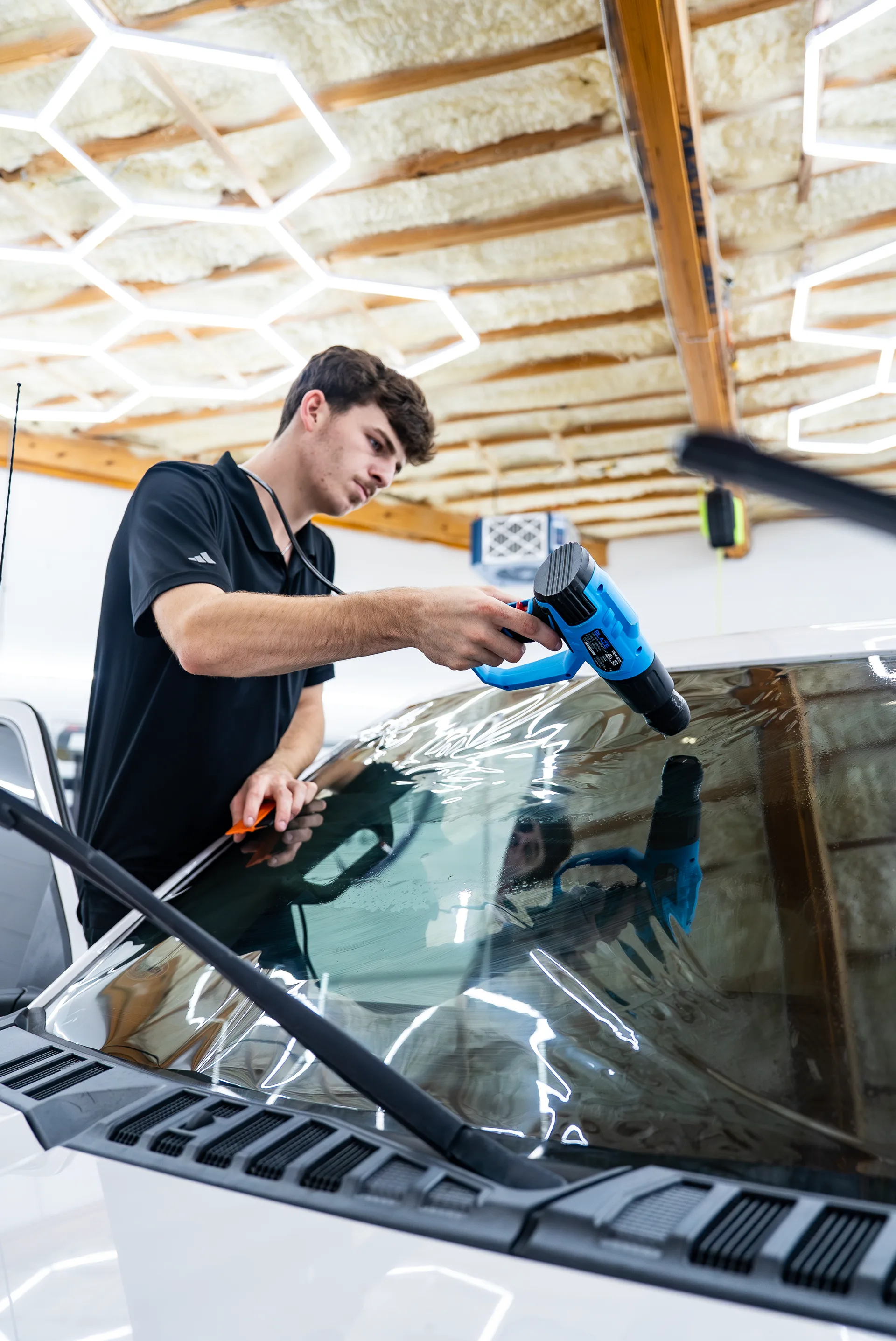
If you’ve ever climbed into a car that’s been sitting in the Louisiana sun, you already know the problem—searing hot seats, a steering wheel you can barely grip, and an air conditioner fighting a losing battle against the heat. Professional window tint changes all of that. By filtering the solar energy that passes through your glass, quality window film keeps cabin temperatures lower, protects your skin, and makes every drive more comfortable.
Here’s a closer look at how it works and why we install LLumar window tint at Surface Protection Studio in Gonzales, LA.
How Window Tint Actually Works
Modern automotive window film is engineered at the molecular level to target specific wavelengths of sunlight. The sun’s energy reaches your vehicle in three forms: visible light, ultraviolet (UV) radiation, and infrared (IR) heat. Standard automotive glass blocks very little IR and almost no UV-A rays. High-performance window tint uses ceramic or dyed layers in the film to reflect and absorb IR energy before it heats your cabin, while simultaneously filtering out 99 percent of UV radiation.
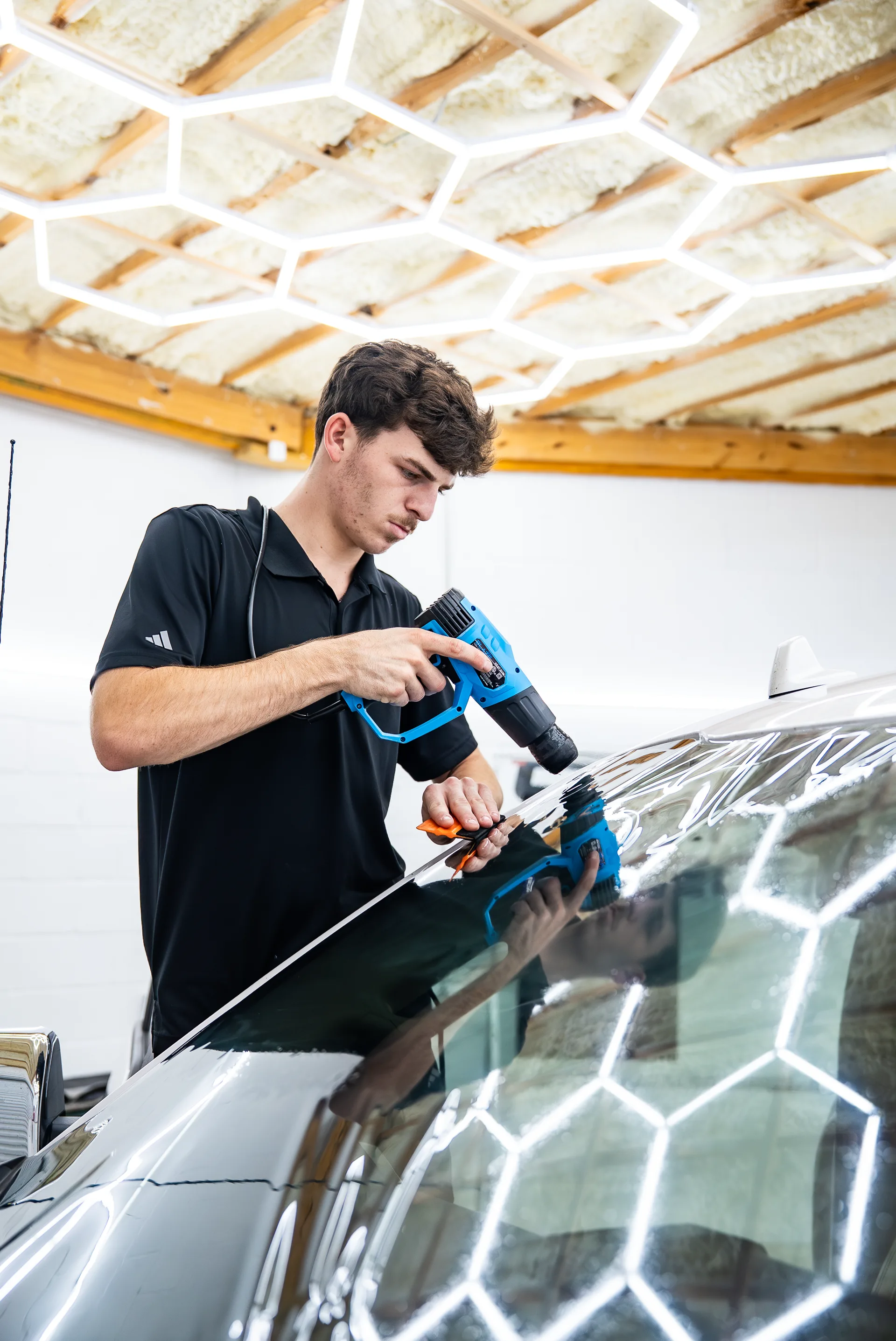
The result is a noticeable difference you can feel the moment you sit down. Instead of your dashboard and seats absorbing heat and radiating it back into the cabin, the film intercepts that energy at the glass. That means lower surface temperatures, faster cool-downs when you start the car, and far less strain on your air conditioning system over the life of the vehicle.
And the exposure adds up faster than most drivers realize. According to INRIX, the average American driver spends 97 hours per year in traffic alone—nearly all of it with the sun coming through untreated side glass.
UV Protection for Passengers and Interiors
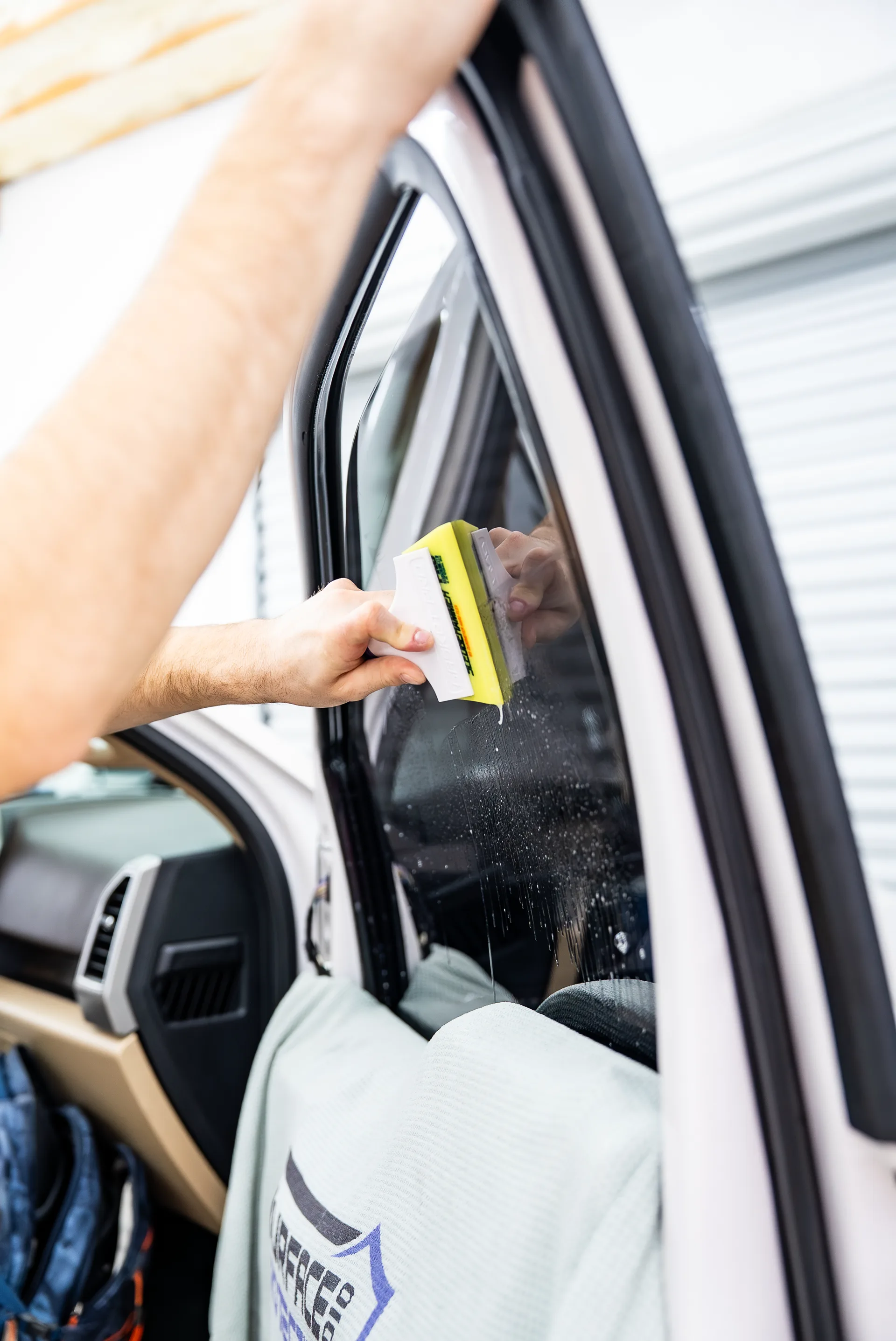
Ultraviolet radiation is the invisible threat most drivers overlook. UV-A rays pass through untreated glass and accumulate over every commute, school run, and road trip. The Skin Cancer Foundation notes that prolonged UV exposure through car windows contributes to skin damage on the driver’s side of the face and arms. LLumar window films block 99 percent of UV rays, providing meaningful protection for everyone inside the vehicle—including children in rear-facing car seats. Beyond your skin, UV rays also cause leather seats to crack, dashboards to fade, and interior trim to deteriorate over time.
Reduced Cabin Heat and Less AC Strain
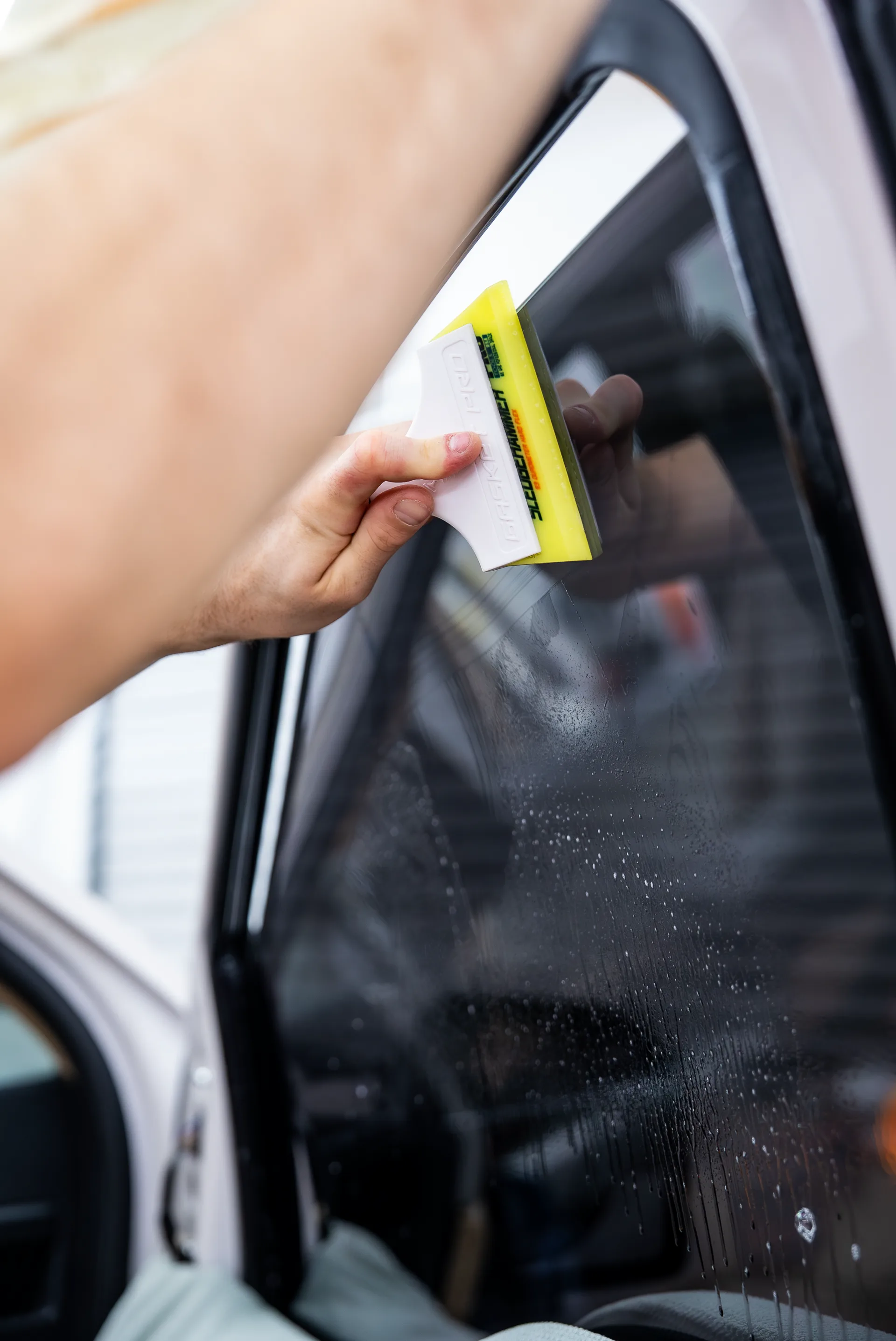
In a climate like southern Louisiana, cabin temperatures can exceed 150 degrees Fahrenheit on a summer afternoon. Window tint rejects a significant portion of incoming infrared heat—LLumar’s top ceramic films reject up to 98 percent of IR heat at the glass. The practical benefits are immediate: your AC reaches the set temperature faster, runs less often, and uses less fuel. Over thousands of miles, that translates into real savings at the pump and a longer lifespan for your climate control system.
Glare Reduction for Safer Driving
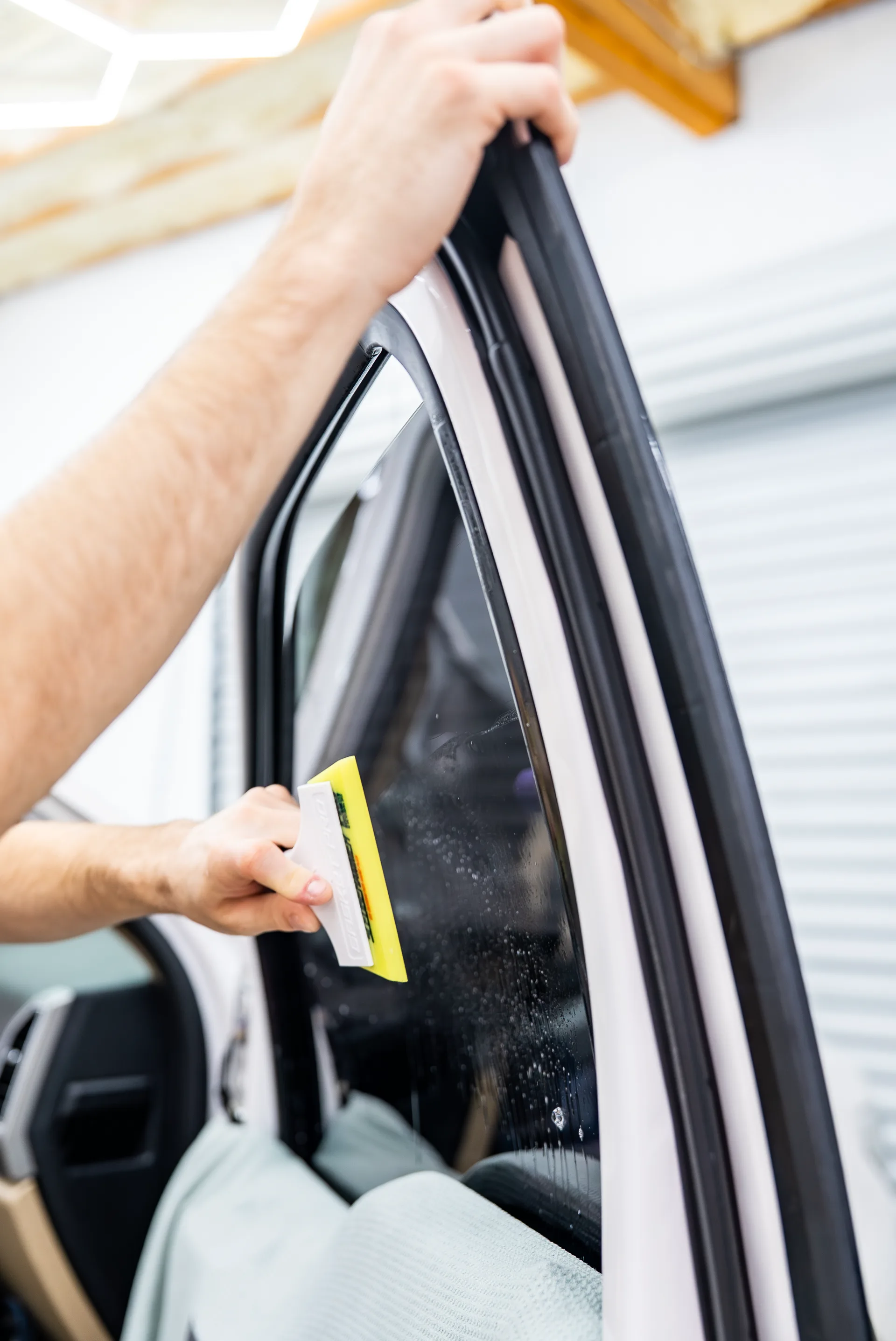
Direct sunlight and reflected glare from other vehicles create a real safety hazard, especially during early morning and late afternoon commutes on I-10 or Highway 30. Window tint reduces glare intensity without making it difficult to see, helping you maintain clear visibility in harsh lighting conditions. The result is less eye fatigue on long drives and a safer, more relaxed driving experience for you and your passengers.
Interior Preservation
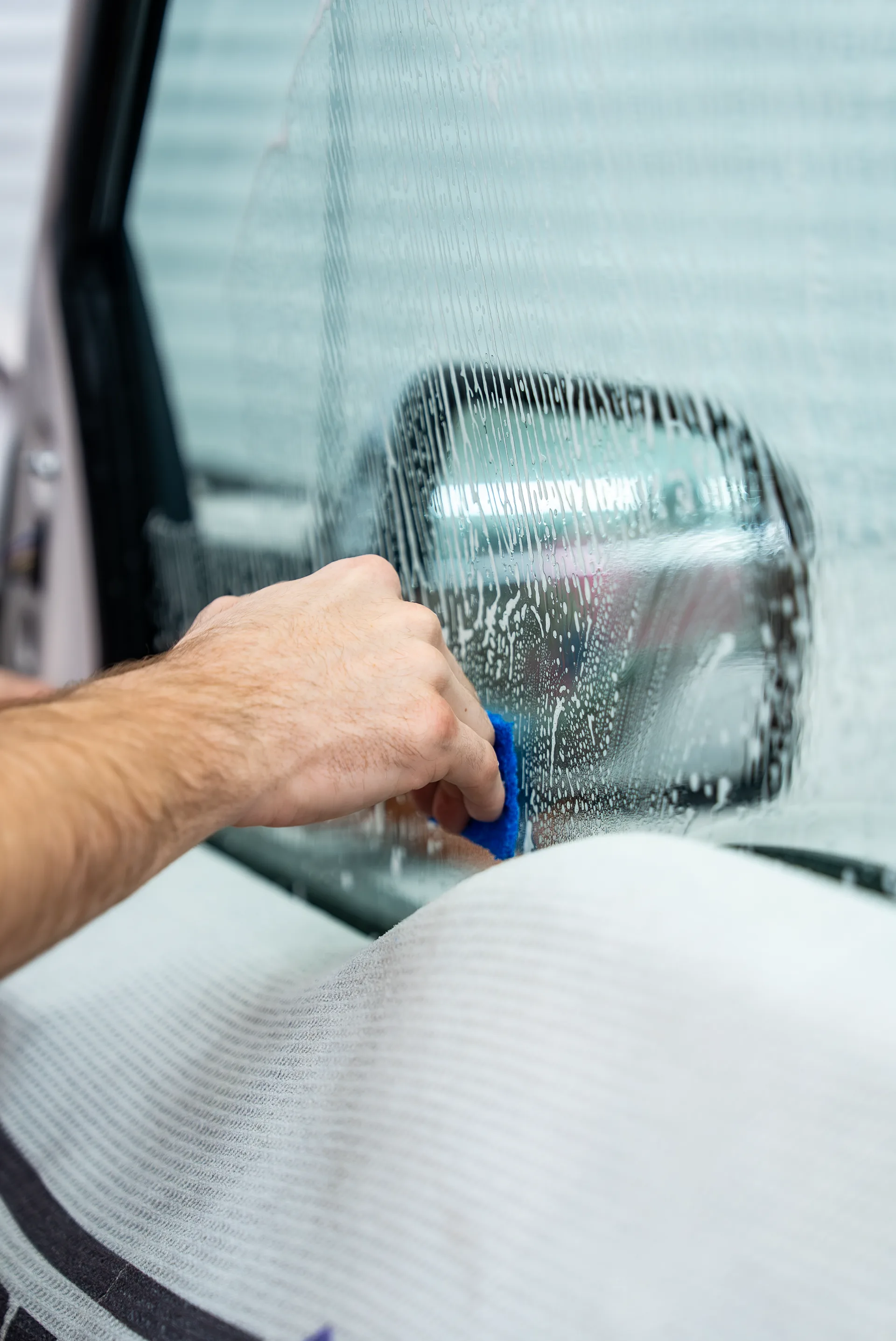
Sunlight doesn’t just heat your cabin—it degrades it. UV and infrared exposure cause leather to crack, vinyl to fade, and plastic trim to warp over time. By blocking these wavelengths at the glass, window tint acts as a constant barrier that preserves your interior materials, keeping your seats, dashboard, and door panels looking newer for longer. It’s one of the simplest ways to protect your vehicle’s resale value.
Why Surface Protection Studio Trusts LLumar
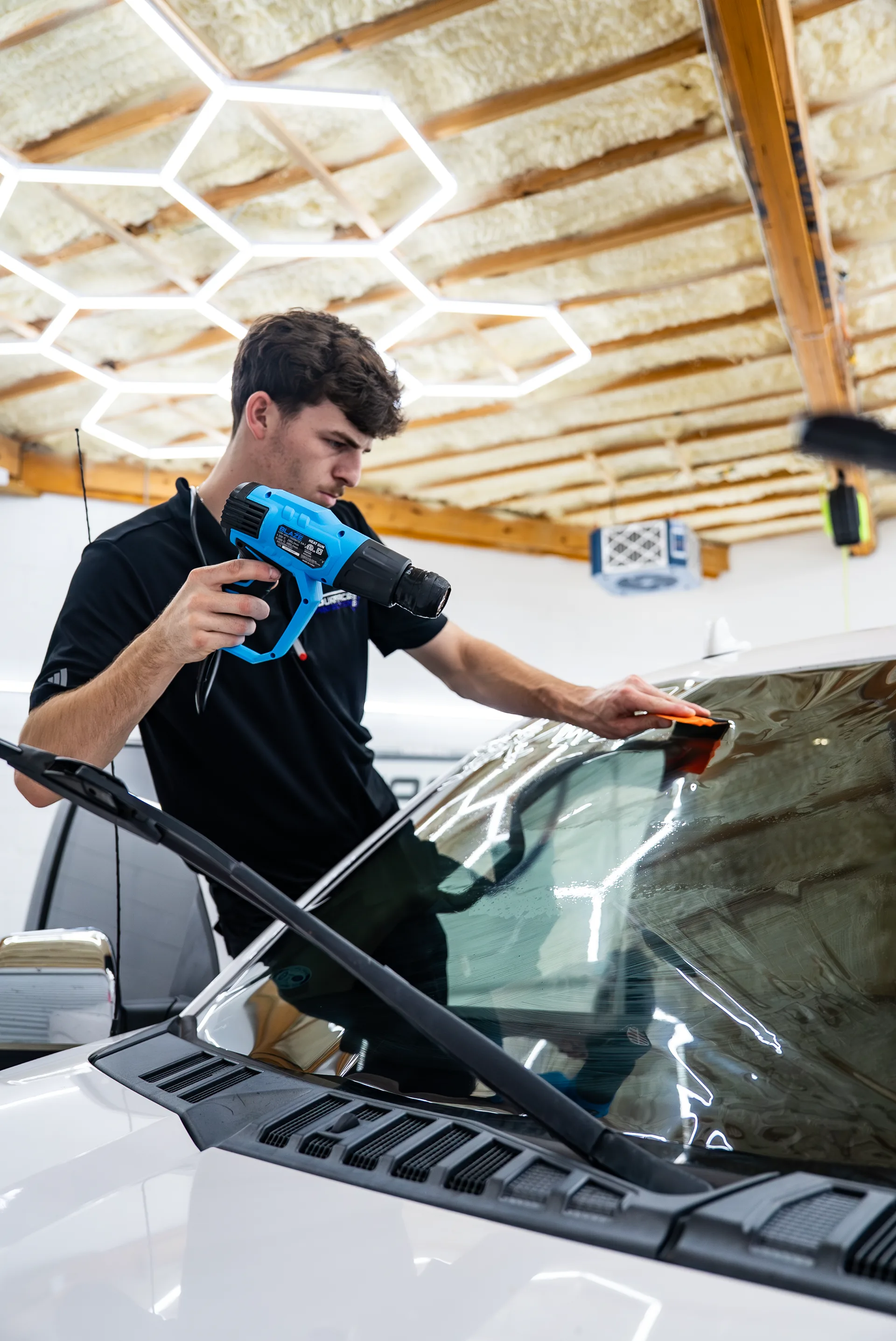
At Surface Protection Studio, we install LLumar window tint because it delivers the performance and durability our clients deserve. LLumar’s ceramic films use non-metallic nano-ceramic technology that rejects heat and blocks 99 percent of UV rays while maintaining crystal-clear signal transmission for GPS, Bluetooth, and satellite radio.
LLumar is a brand of Eastman Performance Films, one of the largest window film manufacturers in the world, and every LLumar product is backed by a manufacturer warranty. As a LLumar-certified shop, our installation ensures a flawless, bubble-free finish that lasts for the life of your vehicle.
LLumar Window Tint Options
LLumar offers window film lines to match your priorities—whether that’s maximum heat rejection, budget-friendly protection, or a specific appearance. Here’s an overview of the options we install at Surface Protection Studio:
Ceramic Window Tint
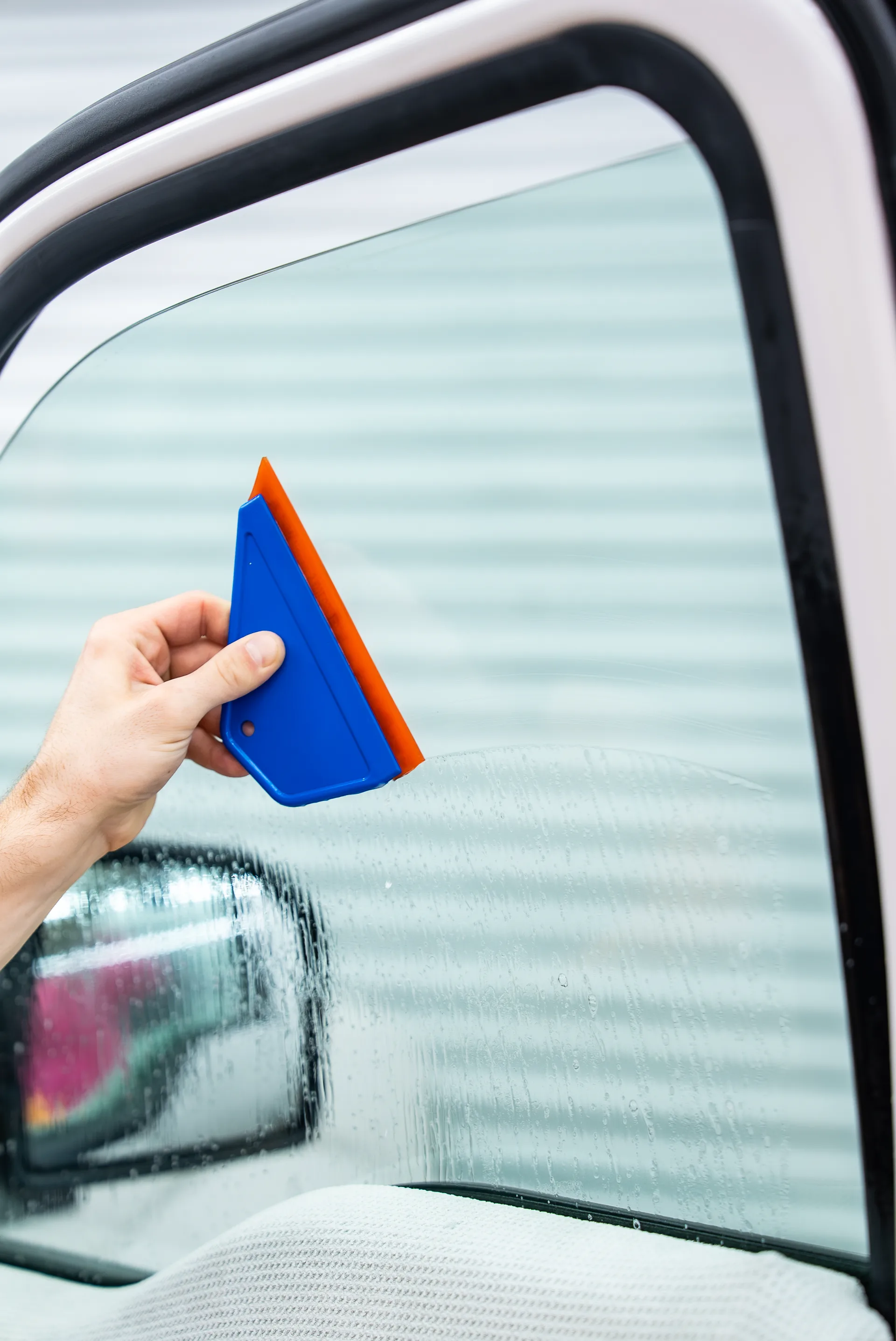
Ceramic film is the top tier of window tint technology. These films use non-metallic ceramic particles to block infrared heat at exceptionally high rates—up to 98 percent—while maintaining excellent visible light transmission and zero interference with electronic signals. If you want the best possible heat rejection, UV protection, and optical clarity, ceramic is the way to go. It’s the most popular choice among our clients in Gonzales and the surrounding Baton Rouge area.
Dyed Window Tint
For drivers who want a sleek, uniform look at a more accessible price point, dyed window tint is an excellent option. Dyed films absorb solar energy to reduce heat and glare, and they provide strong UV protection at a fraction of the cost of ceramic alternatives.
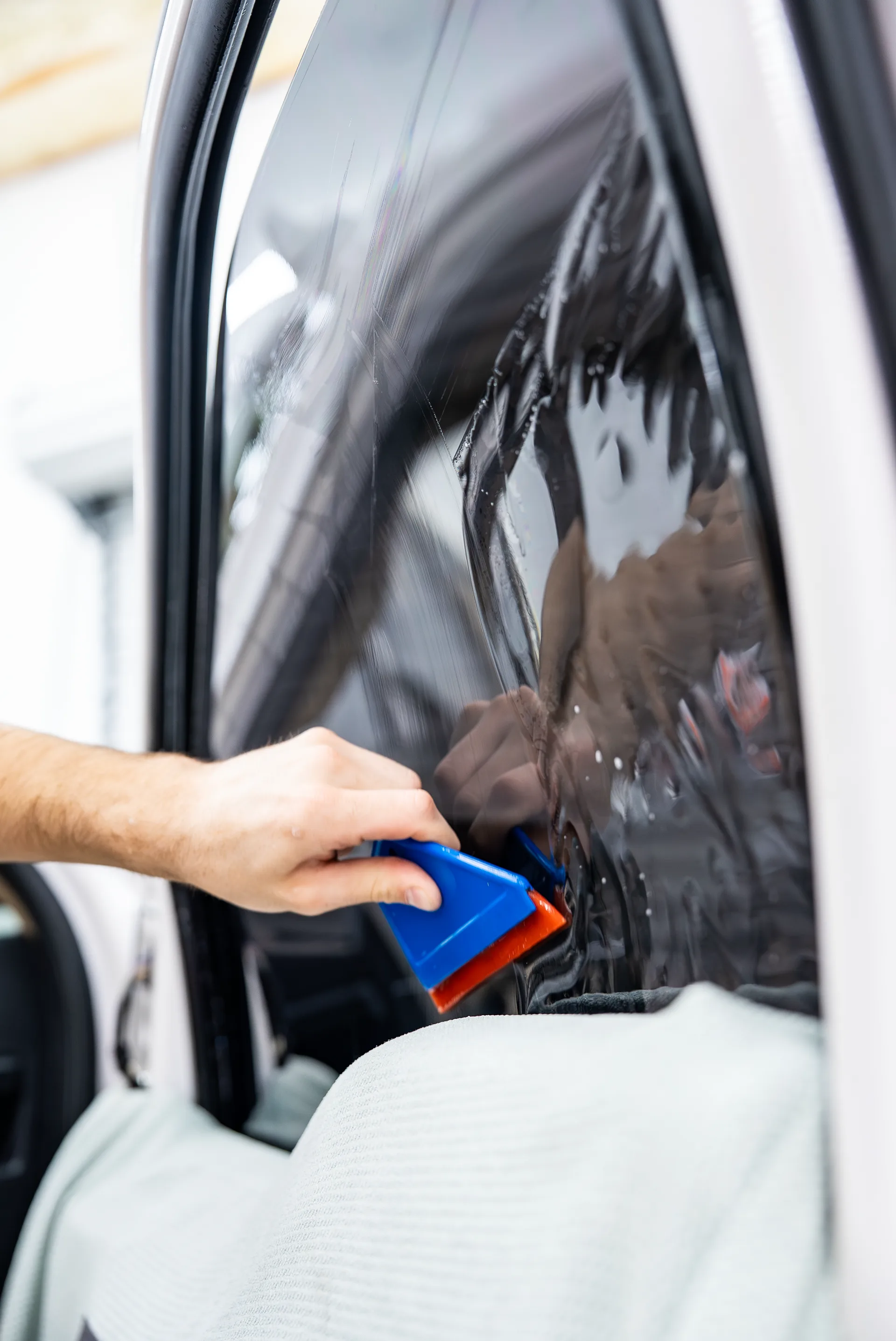
Dyed window tint delivers solid everyday comfort, sharp aesthetics, and dependable UV defense. It’s a great starting point for anyone new to window tinting or working within a specific budget. Our team at Surface Protection Studio can help you choose the shade and specification that best fits your vehicle and driving habits—see the current packages on our window tint page, or contact us with any questions.
Louisiana Regulations
Louisiana sets a minimum visible light transmission (VLT) for each window position on passenger cars:
| Window | Requirement |
|---|---|
| Windshield | Non-reflective tint above the AS-1 line only |
| Front Side Windows | More than 40% VLT |
| Rear Side Windows | More than 25% VLT |
| Rear Window | More than 12% VLT (dual side mirrors required) |
Red, amber, and blue tint colors are not allowed, and reflectivity is capped at 20%. We install to spec, so every tint job leaving our shop is fully street-legal in Louisiana.