
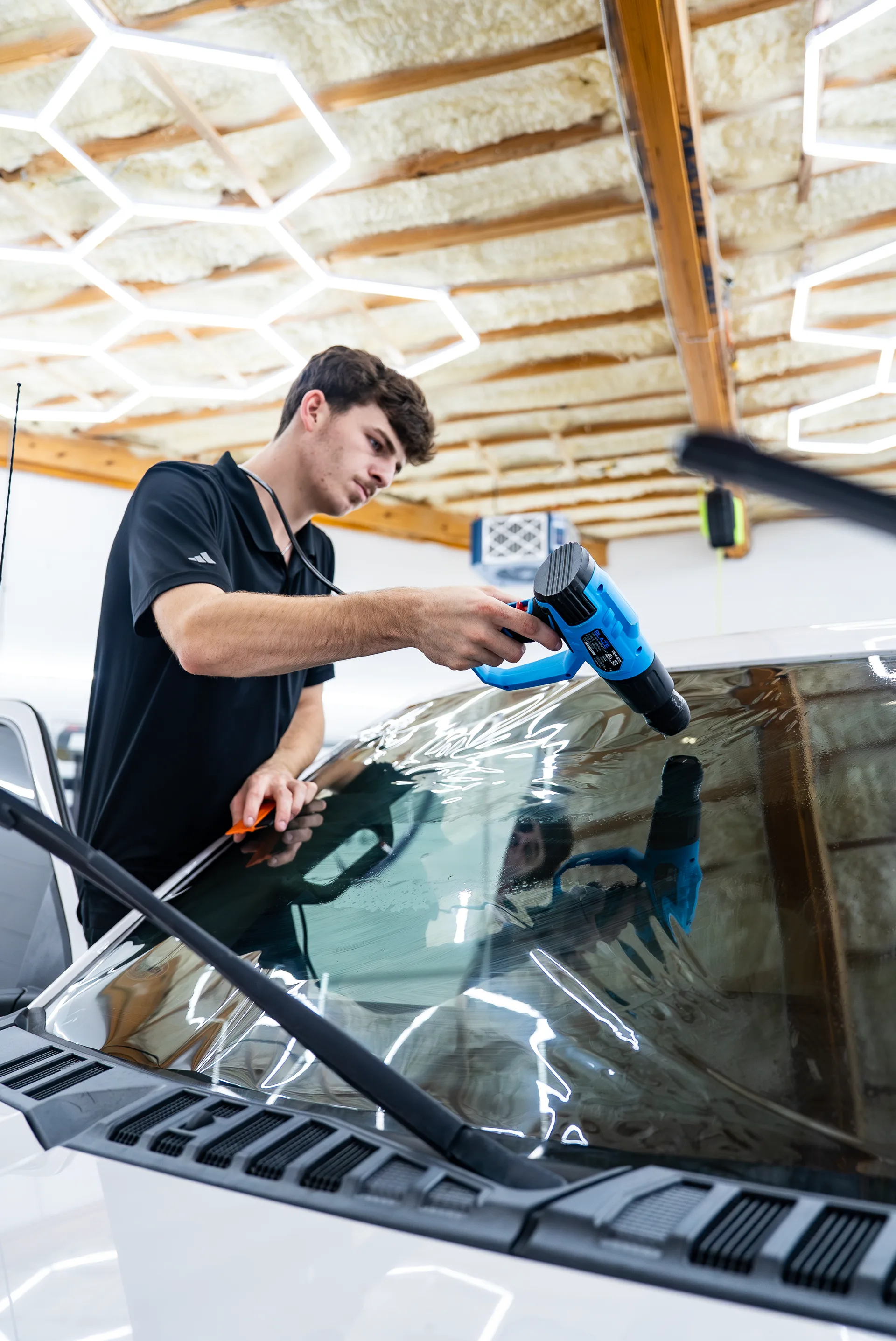
Every time you get behind the wheel, the left side of your body absorbs ultraviolet radiation that your car’s factory glass does almost nothing to stop. Multiple studies have documented a striking pattern: drivers in left-hand-drive countries develop significantly more skin cancers—and more severe photo-aging—on their left side. Here’s what the science shows, and how professional window tint delivers real protection against this hidden danger.
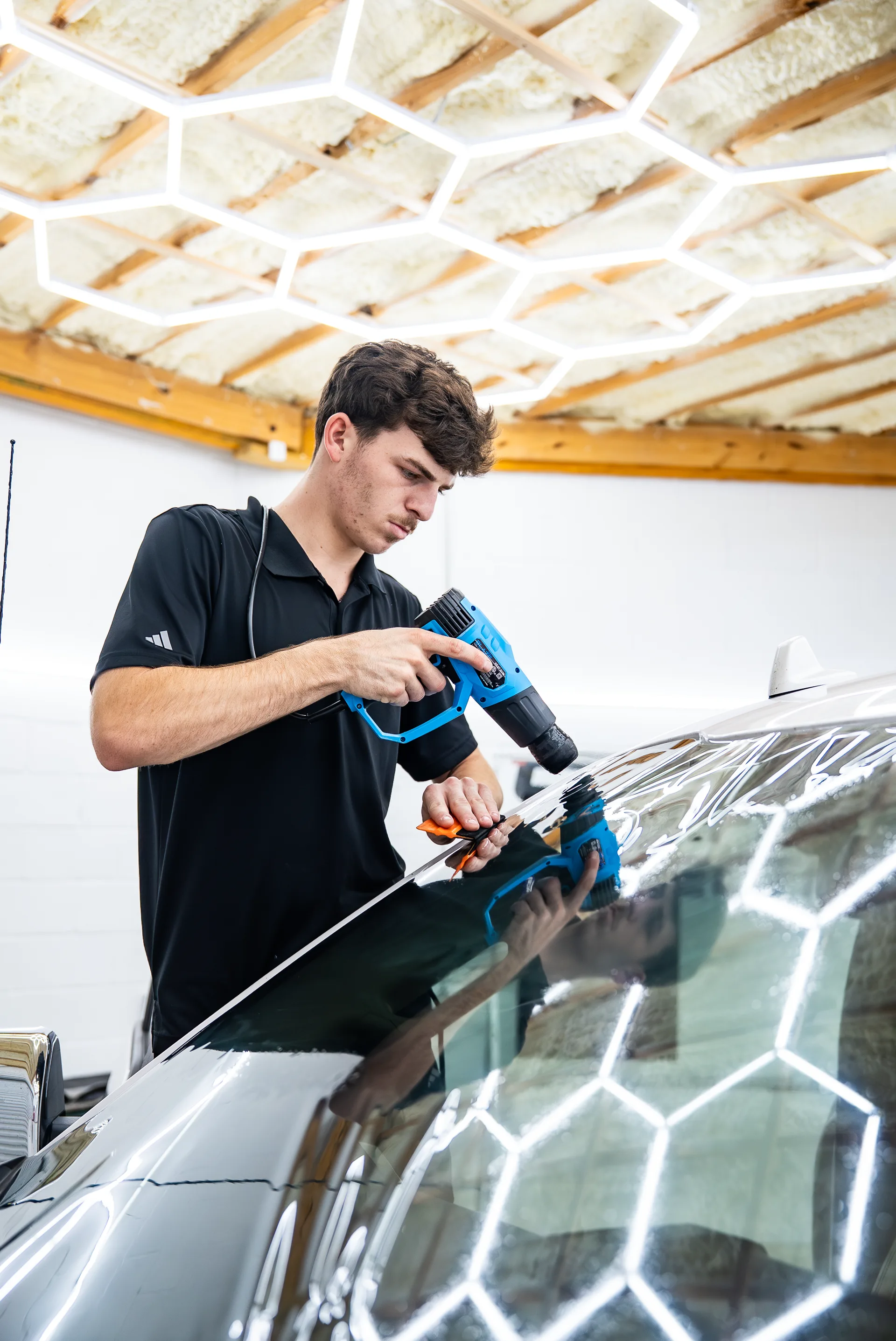
The Science Behind Driver-Side UV Damage
A landmark case published in The New England Journal of Medicine showed a 69-year-old truck driver with severe unilateral photo-aging—deep wrinkles and skin thickening exclusively on the left side of his face after 28 years behind the wheel. The Skin Cancer Foundation reports that up to 53% of skin cancers in the U.S. occur on the left side of the body, correlating directly with driver-side window exposure.
The reason comes down to a gap in your car’s factory glass. Windshields are made of laminated glass, which blocks most UVA and UVB radiation. Your side and rear windows, however, are typically tempered glass—and tempered glass stops UVB (the burning rays) but allows a large portion of UVA to pass straight through. UVA penetrates deeper into the skin than UVB, and it’s the wavelength most associated with premature aging, wrinkles, and DNA damage that can lead to melanoma and other skin cancers. You won’t feel it, you won’t get a sunburn from it, and your skin is absorbing it on every drive.
Why Commuters Should Take This Seriously
UV damage is cumulative. A single trip to the grocery store won’t harm you, but the exposure adds up mile after mile, year after year. If you commute daily on I-10 or Airline Highway with the sun on your left window, your left arm and the left side of your face and neck are collecting a dose of UVA that the rest of your body never sees. Dermatologists in the U.S. consistently report more actinic damage—rough patches, sun spots, and precancerous lesions—on the left side of their patients who drive regularly. For people who spend hours a day in the car, such as delivery drivers, sales reps, and long-haul commuters, the asymmetry can be dramatic.
Children riding in the back seat face the same exposure through untinted rear windows, which is worth considering for families who log serious road-trip miles.
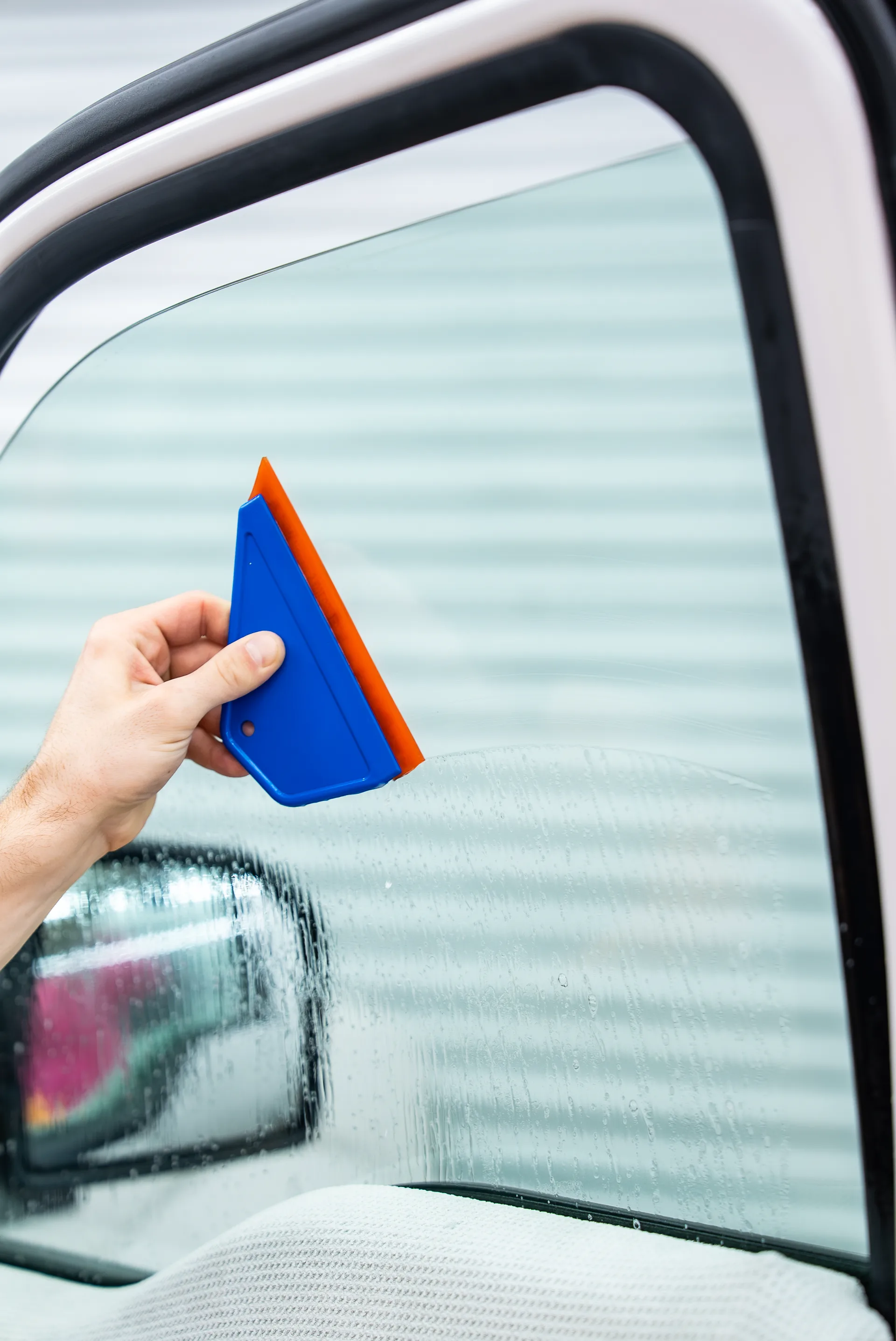
How LLumar Window Tint Solves the Problem
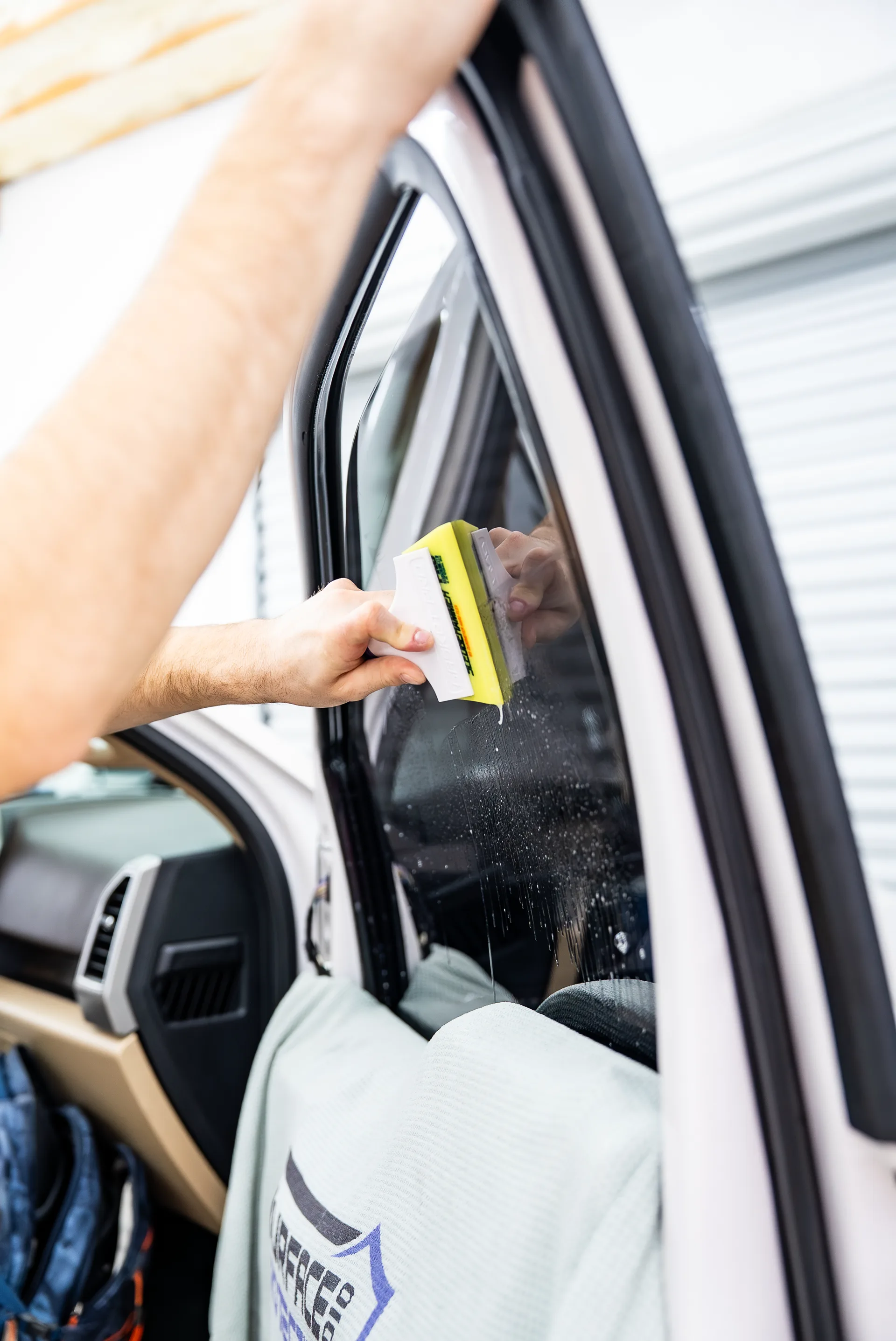
At Surface Protection Studio, we install LLumar ceramic window tint to close that gap in your factory glass. LLumar ceramic films block 99% of UV radiation—both UVA and UVB—across every treated window, effectively giving your car’s glass the sun protection factor your skin needs. The Skin Cancer Foundation recommends window film as part of a comprehensive sun-safety strategy for exactly this reason.
The benefits go beyond your skin. The same ceramic technology rejects up to 98% of infrared heat, so your cabin stays cooler, your air conditioner works less, and your dashboard and seats fade far more slowly. And because tint darkness and UV protection are independent, even a light, legal shade delivers the full 99% UV blockage.
If you’re ready to protect your skin and your interior from daily UV exposure, reach out to us today. We’re located in Gonzales, LA, and our team handles everything from daily commuters to luxury vehicles. Call (225) 416-9588 or stop by—let’s get your ride protected!